
Tough Tech Needs More Than Capital: Reflections from The Engine’s Blueprint Showcase
This week, I returned from Boston/Cambridge after serving as a mentor and judge for The Engine’s Blueprint Showcase at MIT. This was Blueprint’s 12th cohort and my 5th time participating in this role. Each time, I leave with the same impression: tough tech founders are working on some of the most important problems in the world, but they need an ecosystem that understands how different their path is from a typical startup.
This cohort, I judged in the neuro, genomics, and precision medicine vertical. The teams reflected the promise and complexity of tough tech. These are not companies where the primary question is whether a product can be launched quickly and iterated in market. The relevant questions are harder: What must be proven technically? What data will investors, partners, regulators, or customers need to see? What IP position will actually protect the product? What rights came from university research, sponsored research, collaborators, or founders? What are the value-creating milestones between discovery and commercialization?
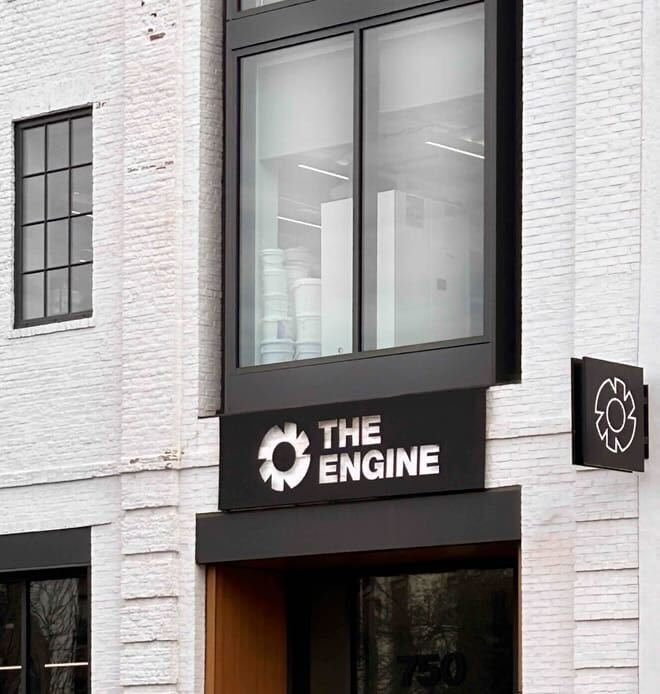
That is why Blueprint is such an important program. It is open beyond MIT to teams from research universities, national labs, and research institutions more broadly. The program gives scientists and engineers a rigorous structure for pressure-testing the commercial path for breakthrough technologies. It forces teams to confront not only whether the science works, but whether the company can be built around it.
This is also the core challenge of tough tech. Tough tech includes life sciences, AI hardware, robotics, energy, climate, advanced materials, agriculture, manufacturing, and many other fields. What unites these companies is not a single industry label. It is the combination of grand-challenge problems, hard science or engineering, long development timelines, and multiple categories of risk that must be reduced in the right sequence.
For legal counsel, that matters. Tough tech companies do not need legal work that is disconnected from the technical and financing roadmap. IP strategy should be tied to product development, experimental milestones, competitive alternatives, freedom-to-operate, data rights, trade secrets, and investor diligence. University licenses should be negotiated with an eye toward field definitions, diligence milestones, sublicensing, improvements, prosecution control, and downstream financing. Founder, consultant, sponsored research, MTA, customer pilot, and collaboration agreements can either support value creation or quietly create problems that surface later in diligence.
The best legal support for tough tech companies is therefore technical, capital-aware, and practical. It helps founders preserve optionality while moving quickly. It anticipates investor, acquirer, strategic partner, and regulatory questions. It also recognizes that early-stage legal budgets need to be predictable enough that founders do not avoid important work until it becomes expensive to fix.
That is why I value programs like Blueprint. They connect founders with mentors, investors, operators, and counsel who understand that hard science becomes investable only through structured de-risking. It is also why, at Lex Generalis and Anzu Partners, I am focused on helping tough tech teams make the transition from promising research to venture-ready company.
The future of tough tech is difficult by definition. But after seeing this cohort, I remain optimistic about both the founders entering the ecosystem and the institutions building the bridge around them.